

Flare Wings Supporting Africa’s Vision 2030: From Data to Smart Decision-Making
🌍 Vision 2030 Overview in Africa
Vision 2030 for Africa is a comprehensive and long-term development plan aimed at achieving sustainable development, economic growth, and improved quality of life across the continent. The plan includes key goals such as strengthening infrastructure, improving healthcare services, enhancing education, and ensuring food security for all African nations. However, to achieve these goals, African countries face challenges such as limited access to accurate data, insufficient transportation infrastructure, and limited healthcare services.
In this context, innovative technologies like drones can play a critical role in accelerating development processes and achieving the objectives outlined in Vision 2030. Drones, with their ability to gather precise and real-time data, can help African nations overcome existing challenges and move closer to sustainable development.
📡 The Role of Drones in Vision 2030 for Africa
In Vision 2030 for Africa, drones are recognized as innovative technological tools that can play an essential role in achieving various goals outlined in the plan. These technologies can contribute in the following areas:
1. Data Collection and Infrastructure Monitoring
African countries require accurate information about the state of their infrastructure for progress. Drones, as data collection tools, can be highly effective in monitoring roads, bridges, electricity grids, water networks, and other infrastructure. This data is particularly valuable for planning and maintenance of infrastructure systems.
2. Precision Agriculture and Food Security
One of the major challenges in Africa is food security. Precision agriculture, as an innovative solution, can increase agricultural productivity and help farmers manage resources efficiently. Drones, with the ability to gather environmental data such as soil condition, water levels, and plant growth.
3. Environmental Protection and Climate Change Monitoring
Africa faces significant challenges in terms of climate change and deforestation. Drones can be used for monitoring forests, detecting wildfires, assessing pollution levels, and other environmental issues. These technologies can serve as valuable tools for resource conservation and environmental management.
4. Healthcare Development and Rapid Medical Delivery
In many remote areas of Africa, access to healthcare services, especially in emergencies, is limited. Drones can be used to deliver medicine, blood, vaccines, and other medical supplies to underserved regions. This technology helps reduce delivery times and increases access to healthcare services.
🌍 Country-Specific Applications in Africa
Rwanda: A Pioneer in Drone Use
Rwanda is one of the first African countries to implement drones for medical supply delivery to remote areas. In partnership with Zipline, Rwanda began using drones in 2016 to deliver blood and medical equipment. This initiative has made Rwanda a leader in drone technology within Africa. The country has also developed advanced regulations for drone usage, making it a model for others.
Ghana: Using Drones for Healthcare
Ghana is another African country using drones for medical deliveries. The country employs drones to transport blood and medical supplies to remote locations. This initiative has significantly reduced delivery times and increased the availability of healthcare services, particularly during the COVID-19 pandemic.
Senegal: Challenges and Opportunities
Senegal, currently, has restrictions on drone usage. However, given the country’s development needs and the potential benefits of drones, it is expected that Senegal will revisit its policies and increase the use of this technology in the future, especially in agriculture, health, and environmental monitoring.
South Africa: Drones for Agriculture and Resource Management
South Africa is one of the African countries widely utilizing drones for precision agriculture and resource management. Drones are used for monitoring farm conditions, identifying diseases and pests, and assessing water resources, all of which improve agricultural productivity and sustainability.
Egypt: Drones for Crisis Management and Infrastructure
Egypt, especially in large-scale infrastructure projects like dams and water networks, uses drones for monitoring and managing projects. This technology is also used for assessing natural disaster impacts and managing natural resources.

🚀 Flare Wings: A Technology Partner for a Sustainable Future
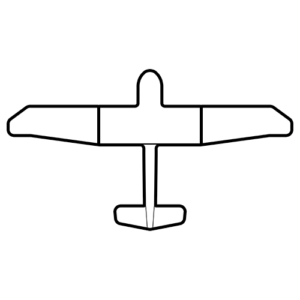
Flare Wings, with its fixed-wing drones capable of long-duration flights and precise data collection, can help African countries achieve the goals of Vision 2030. With advanced capabilities in data processing and intelligent decision-making, these drones can play a crucial role in sectors like agriculture, environmental protection, healthcare, and infrastructure development.
Keywords:
drone, Flare Wings, Vision 2030, Africa, precise data, precision agriculture, environmental protection, food security, healthcare, infrastructure monitoring, Rwanda, Ghana, Senegal, South Africa, Egypt, sustainable development, drone technology, data collection, resource management, climate change, urban development, medical delivery, international collaboration.